Who Controls the Machines Powering the AI Boom?

Have you ever wondered where those smart chat replies and stunning AI images actually come from? It is easy to think of artificial intelligence as a ghostly bit of magic floating in the clouds, but the reality is much more grounded. When you ask a question to your favorite bot, you are not just talking to code. You are actually waking up a massive chain of physical machines that live in giant buildings all over the world. These machines are the heartbeat of the modern tech world, and they are changing how we think about power and progress in . It is a bright and busy time to be alive because we are seeing a huge shift in how the world builds its most important tools. Instead of just software being the star of the show, we are looking at a world where the physical hardware is just as exciting. This article will help you understand who is really behind the curtain and why those big humming boxes in data centers are the most important things in tech today.
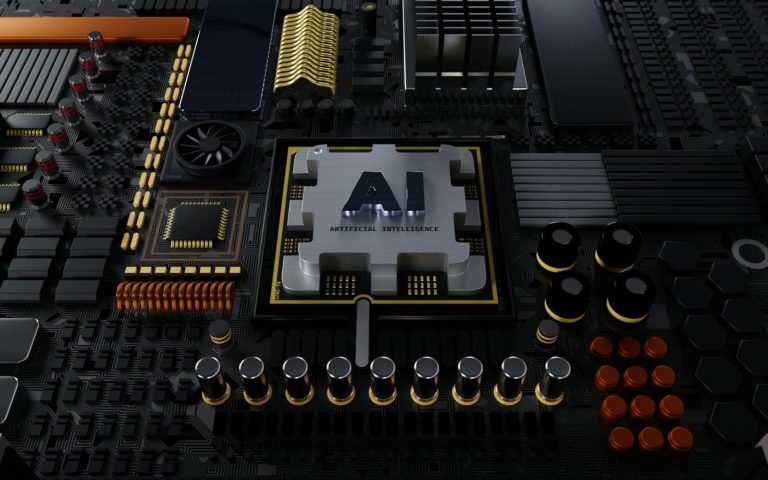
Many people believe that AI is just a clever set of instructions that runs on any old computer. That is a common bit of confusion that we can clear up right now. While you can run a simple spreadsheet on your laptop, the big AI models need something much more powerful. Think of it like the difference between a small hand mixer and a massive industrial bakery. To make AI work at the scale we see today, companies need thousands of specialized chips called GPUs. These are not your average computer parts. They are high performance engines designed to do millions of math problems all at once. Companies like **Nvidia** are the ones building these incredible chips, and they are the reason why your AI apps feel so fast and smart. Without these physical pieces of metal and silicon, the software would just be a list of ideas with no way to come to life. It is teh physical stuff that makes the magic happen.
Found an error or something that needs to be corrected? Let us know.Imagine a building the size of several football fields filled with rows and rows of these glowing machines. These are data centers, and they are the modern factories of the information age. Inside these buildings, the air is kept perfectly cool by giant fans and liquid cooling systems because all that math creates a lot of heat. It is a huge physical operation that requires incredible amounts of electricity and water to keep everything running smoothly. When we talk about the AI boom, we are really talking about a construction boom. Tech companies are spending billions of dollars to build these sites as fast as they can. This is a big change from just a few years ago when most of the focus was on making apps. Now, the race is all about who can build the biggest and best physical home for their AI. It is a massive project that involves architects, engineers, and power grid experts working together to create the foundation for our future.
This shift toward physical power has a huge impact on the global stage. It means that the companies with the most money to build these giant data centers are the ones leading the way. We are talking about the big names you already know, like Google, Microsoft, and Amazon. These companies have the resources to buy millions of chips and secure enough electricity to power entire cities. This is great news for users because it means the tools we use are becoming more stable and powerful every single day. These giants are investing in green energy and new ways to make their machines more efficient, which helps the whole world move toward better technology. Because they are building so much infrastructure, they are also creating jobs and bringing fast internet connections to new places. It is a global effort that connects a server in a cold climate to a user in a sunny cafe halfway across the world.
The way these companies manage their hardware also helps smaller businesses grow. Instead of every small company needing to buy their own expensive machines, they can just rent a little bit of space on a giant server. This makes it possible for a tiny startup in to have the same amount of power as a huge corporation. It levels the playing field in a way that is very exciting for anyone with a good idea. We are seeing a world where the physical constraints of the past are being solved by these massive shared resources. The sheer scale of this infrastructure is what allows us to have instant translations, smart medical tools, and helpful assistants in our pockets. It is a wonderful example of how big thinking and big building can lead to better lives for everyone, no matter where they are. The physical world of AI is truly the engine of global innovation.
A Day in the Life of a Cloud Connected Creator
To see how this works in the real world, let us look at Sarah, a small business owner who designs custom wedding invitations. Sarah lives in a small town, but her business reaches people all over the globe. One morning, she uses an AI tool to help her brainstorm new floral patterns. When she clicks a button, her request travels at light speed to a data center hundreds of miles away. Inside that building, a cluster of chips leaps into action, processing her request through billions of connections. Within seconds, Sarah has ten beautiful designs on her screen. She does not need to know about the cooling pipes or the high voltage wires that made it possible. All she sees is the creative spark that helps her finish her work faster and with more joy. This is the real beauty of the physical AI boom. It takes something incredibly complex and turns it into a simple, helpful moment for a person trying to build their dream.
Later in the day, Sarah uses another tool to help her write a friendly newsletter for her customers. This tool also relies on those same giant machines to suggest the perfect words. Because the big tech companies have built such strong infrastructure, Sarah never has to worry about her tools slowing down or crashing. She can focus on her art while the machines in the distance do the heavy lifting. This is a huge change from the old days when you had to wait for things to load or worry about your computer overheating. Now, the physical power is handled by experts, leaving us free to be as creative as we want. It is a perfect partnership between human imagination and the solid, reliable machines that support it. Sarah is part of a new generation of creators who are powered by the most advanced hardware ever built, all from the comfort of her home office.
While we are all enjoying these amazing new tools, it is natural to wonder about the resources they use and who holds the keys to all that power. We can be curious about how much energy these giant data centers need and what that means for our planet over the long term. It is also interesting to think about how a few large companies owning most of the hardware might change the way we use the internet in the future. Are we moving toward a world where everything depends on just a few big buildings? These are great questions to ask as we watch the technology grow, and it is wonderful to see many companies already looking for ways to use more wind and solar power. By staying curious and asking how we can make these machines even better, we can help ensure that the AI boom stays bright and helpful for everyone without putting too much strain on our shared world.
The Hidden Gears of the AI Machine
For those who love to know exactly how things work, the geeky side of AI hardware is absolutely fascinating. We are moving away from general purpose processors and toward clusters of thousands of H100 or H200 chips connected by high speed networking. These chips are organized into units that work together like one giant brain. One of the biggest challenges right now is not just the chips themselves, but how to move data between them fast enough. This is where things like InfiniBand and high speed ethernet come into play. They act like superhighways for data, making sure no part of the system is waiting around for information. We are also seeing a big shift toward liquid cooling, where special fluids are pumped directly over the chips to soak up the heat. This is much more efficient than just using fans and allows companies to pack even more power into a smaller space. It is a huge engineering improvment that keeps the systems running at peak performance.
Have an AI story, tool, trend, or question you think we should cover? Send us your article idea — we’d love to hear it.Another big topic for power users is the balance between cloud power and local storage. While the cloud is great for training giant models, many people are looking for ways to run smaller versions of AI on their own devices. This is called edge computing, and it is a growing part of the hardware world. New laptops and phones are coming with their own mini AI chips that can handle simple tasks without needing to talk to a data center. This helps with *latency*, which is just a fancy word for the tiny delay you sometimes feel when using an app. By combining the massive power of the cloud with the quick response of local chips, we get the best of both worlds. Developers are also looking at API limits and how to make sure their apps can handle millions of users at once. It is all about building a smooth workflow that connects the user to the machine as efficiently as possible. The tech behind these [modern AI tools](https://botnews.today) is getting better every day.
The physical constraints of AI also include things like the actual space in a data center. Each rack of servers can weigh thousands of pounds and use as much power as a whole street of houses. This means that building a new site is as much about civil engineering as it is about computer science. Companies have to think about the weight of the floors and the size of the power transformers outside. They are even looking at new ways to store energy, like giant batteries, to keep the machines running if the main grid has a problem. It is a total rethinking of what a computer can be. We are no longer just talking about a box on a desk. We are talking about a massive, living system that spans the entire globe. This physical reality is what makes the AI boom so stable and sustainable. It is built on a foundation of solid steel and high tech cooling that is designed to last for years to come.
Why the Big Players Are Winning the Race
It is clear that the physical side of AI is what defines who can do what in the tech world today. The recent shift toward massive hardware clusters has created a new kind of power. It is no longer just about who has the best code, but who has the most machines. This is why we see such big investments from the leaders in the industry. They are not just buying software. They are buying land, power, and chips. This is a very positive thing for the average person because it means the tools we rely on are backed by real, physical assets. It gives the whole industry a sense of permanence and strength. When you use an AI tool, you can feel confident that it is supported by a massive network of high quality hardware. This reliability is what allows businesses to build their own products on top of these AI models without fear of them disappearing overnight.
One live question that remains open is how the world will balance the need for more data centers with the needs of local communities for power and water. As we build more of these giant machine homes, we will need to find creative ways to share our resources. This is a challenge that will keep the industry evolving and growing in new directions. We might see data centers being built in even more remote locations or even underwater to take advantage of natural cooling. The possibilities are endless, and that is what makes this such a fun topic to follow. Every new breakthrough in hardware brings us a step closer to a world where AI is even more helpful and accessible. The journey is just beginning, and the physical machines are leading the way into a very bright future for all of us.
BotNews.today uses AI tools to research, write, edit, and translate content. Our team reviews and supervises the process to keep the information useful, clear, and reliable.
The bottom line is that the AI boom is a very real, very physical event that is changing our world for the better. While the software gets all the headlines, it is the giant data centers and the powerful chips inside them that do the hard work. This shift toward physical infrastructure is a sign of a healthy and growing industry that is investing in the long term. By understanding who controls these machines and how they work, we can see the true scale of the progress we are making. It is an exciting time to watch the world build this new foundation. Whether you are a creator like Sarah or just someone who loves new tech, you can be sure that the machines powering your favorite tools are some of the most amazing things ever built. The future is solid, sunny, and full of potential as we continue to build the engines of tomorrow.
Editor’s note: We created this site as a multilingual AI news and guides hub for people who are not computer geeks, but still want to understand artificial intelligence, use it with more confidence, and follow the future that is already arriving.
Have a question, suggestion, or article idea? Contact us.