Why the AI Race Is About More Than Technology

Have you ever wondered why every big country and huge company is suddenly acting like they are in a high stakes movie about the future? It is easy to think that the race for artificial intelligence is just about who can build the smartest chatbot or the coolest image generator. However, the reality is much more interesting and a little more complex than that. While the software gets all the headlines, the real competition is happening behind the scenes in places like giant chip factories and massive data centers that hum with enough energy to power whole cities. This is not just a tech story but a story about who gets to set the rules for how we live and work in the coming years. The core takeaway is that the winner of this race will not just have the best app but will also control the essential building blocks of the modern world. It is about strategy and who has the most reliable access to the physical stuff that makes the code come to life in .
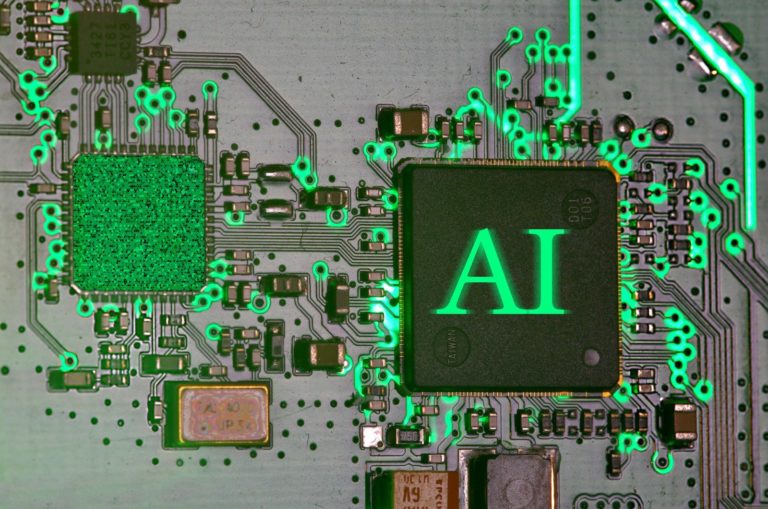
Think of artificial intelligence like a world class restaurant. To make a great meal, you need three main things. First, you need the ingredients, which in this case is the massive amount of data that teaches the computer how to think. Second, you need a high end stove and oven, which are the powerful computer chips that do the heavy lifting. Finally, you need the recipe, which is the actual code or algorithm. Most people focus on the recipe because that is what they see on the menu, but the best recipe in the world will not help you if you do not have any ingredients or a working stove. Right now, the global race is really about who owns the grocery stores and the appliance factories. Some countries are very good at writing recipes, while others have a total monopoly on the best stoves. This creates a situation where everyone is trying to make sure they are not left out in the cold.
Found an error or something that needs to be corrected? Let us know.If a country cannot get the specific chips they need, their tech progress stops completely. This is why we see so many headlines about trade rules and factory construction. It is a giant game of musical chairs where the chairs are made of silicon and the music is playing faster every day. We are seeing a shift where being a tech leader means being a logistics leader too. People often think that AI is just a cloud of ideas, but it is actually very heavy. It requires tons of steel, glass, and copper. When you realize that the most advanced chips are only made in a handful of places on Earth, you start to see why governments are so focused on this. It is a connected story of physical resources and high level diplomacy that will define the next decade.
The Real Power Behind the Screen
When we look at the world map, we see that the power is not spread out evenly. A few specific spots on the globe are becoming incredibly important because they produce the tiny components that make everything work. This creates a fascinating web of dependence. For example, a company in California might design a brilliant new system, but they might rely on a factory in Taiwan to build the chips and a company in the Netherlands to provide the machines that make those chips. This means that a single change in trade policy or a small conflict can ripple across the entire globe in an instant. It is like a giant puzzle where every piece has to fit perfectly for your phone or your computer to work. Governments are realizing that they do not want to be too dependent on any one place.
They are spending billions of dollars to build their own chip factories and secure their own energy sources. This is great news for workers and local economies because it means new jobs and more investment in infrastructure. It also means that we are seeing more cooperation between friendly nations to ensure that they can all keep moving forward. The leverage sits with those who can manage these **global supply chains** and keep the power flowing. People often overestimate how much a single genius programmer can do and underestimate how much a steady supply of electricity and silicon matters. This is why news outlets like Reuters and the New York Times spend so much time talking about sanctions and trade deals. It is the invisible foundation of the modern world.
A Kitchen Full of Global Ingredients
The race is also about setting the standards for the rest of us. Whoever builds the most popular systems gets to decide how they work and what the rules are. This is a huge advantage because it means other companies have to build their products to fit those rules. It is like being the person who decides which side of the road everyone drives on. If you set the standard, everyone else has to follow your lead. This is why we see such a rush to get these tools into the hands of as many people as possible. It is not just about selling a subscription. It is about becoming the default way that the world functions. This competition for influence is happening in every industry from healthcare to finance.
We should also talk about what people tend to get wrong here. A common misconception is that AI will just replace humans overnight. In reality, the stakes are more about who has the tools to be more productive. A country with better AI infrastructure will have a more efficient economy, better medical research, and faster innovation. It is not about one big brain in the sky, but millions of small improvements in how we do things every day. The leverage is not just in the technology itself but in how quickly a society can implment it. This is why education and training are becoming such a big part of the national strategy for many countries. They want to make sure their citizens are ready to use these new tools to their full potential.
Why Every Country Wants a Seat at the Table
Let us look at how this actually touches our lives through a story about someone like Marco, who runs a small graphic design studio in Italy. For Marco, the AI race is not an abstract concept discussed by world leaders. It is a tool that helps him keep up with much larger agencies. On a typical Tuesday, Marco starts his day by using an AI assistant to sort through hundreds of client emails and prioritize the most urgent ones. While he sips his morning coffee, he uses another tool to generate five different layout ideas for a new brand project. Ten years ago, this would have taken him all week. Now, it takes him twenty minutes. This gives him the freedom to focus on the creative parts of his job that he actually loves.
However, Marco also notices that his favorite tools sometimes get slower or more expensive when there are global supply issues. He is part of a global ecosystem where his ability to work depends on data centers located thousands of miles away. This is the practical stake for creators and small businesses. It is about having tools that are reliable and affordable. In a day in the life of a modern professional, AI is like a quiet partner that handles the boring stuff. It allows a baker in France to optimize her delivery routes or a teacher in Brazil to create personalized lesson plans for forty different students at once. The real impact is the democratization of high level productivity, making it possible for anyone with a good idea to compete on a global stage.
Have an AI story, tool, trend, or question you think we should cover? Send us your article idea — we’d love to hear it.There are a few key areas where this impact is most visible:
- Small businesses can now use tools that were previously only available to giant corporations.
- Researchers can process data in days that used to take years.
- Creative professionals can spend more time on big ideas and less on repetitive tasks.
- Governments can provide better services to citizens by using data more effectively.
Marco and the Magic of Modern Tools
While we enjoy these amazing new tools, it is natural to wonder about the hidden side of teh digital world. For instance, how do we make sure that our personal information stays safe when everything is being processed by giant machines far away? It is also worth asking about the environmental cost, since these massive data centers need a lot of cooling and power to keep running. We can be curious about how we will balance our love for fast tech with our need for a healthy planet and private lives. These are not reasons to be worried, but rather interesting puzzles for us to solve together as we move forward. By asking these questions now, we can help shape a future where the tech works for everyone without any unexpected surprises. It is all about being thoughtful as we build this new world together in .
Have a question, suggestion, or article idea? Contact us.For those who like to look under the hood, the real action is in how these systems are integrated into our daily workflows. We are moving away from just using a website to chat and toward using APIs that connect different software together. This allows for much smoother automation, but it also brings up technical challenges like API limits and latency. If you are a developer, you are probably thinking about how to balance local storage with cloud processing. Keeping some data on a local device can make things much faster and more private, but the cloud offers almost unlimited power for heavy tasks. We are also seeing a big push toward edge computing, where the AI processing happens right on your phone or your laptop instead of in a distant server farm.
This reduces the lag and makes the whole experience feel much more fluid. Another big topic is how we handle large datasets without running out of memory or hitting a wall with processing speeds. It is all about finding the most efficient way to move bits and bytes around. Companies are looking for ways to optimize their code so it uses less power while still delivering fast results. This technical layer is where the real innovation happens, as engineers find clever ways to squeeze more performance out of the hardware we have today. It is a thrilling time to be involved in the technical side of things because the progress is happening so quickly. You can learn more about these shifts by understanding AI trends that are shaping the industry right now.
The Technical Gears Turning Underneath
There are several technical factors that power users should keep an eye on:
- API rate limits can affect how many requests your application can handle at once.
- Local storage solutions are becoming more popular for privacy conscious users.
- Latency issues can be solved by moving processing closer to the user.
- Energy efficiency is becoming a top priority for developers and hardware makers.
The BBC News often reports on how these technical shifts affect global trade. It is important to remember that the *physical reality* of these systems is just as important as the code itself. When we talk about API limits or local storage, we are really talking about how we manage the flow of information across a vast and complicated network. This is where the real leverage sits for companies that want to lead the market. They need to find the right balance between power and efficiency. As we see more devices with built in AI chips, the need for constant cloud connection might even decrease for some tasks. This would be a big shift in how we think about the internet and our devices.
BotNews.today uses AI tools to research, write, edit, and translate content. Our team reviews and supervises the process to keep the information useful, clear, and reliable.
Editor’s note: We created this site as a multilingual AI news and guides hub for people who are not computer geeks, but still want to understand artificial intelligence, use it with more confidence, and follow the future that is already arriving.
At the end of the day, the race for artificial intelligence is a human story. It is about our desire to build tools that make our lives easier, our businesses stronger, and our world more connected. While the politics and the hardware are important, the most exciting part is what we choose to do with these capabilities. Whether you are a student, a creator, or a leader, the future looks incredibly bright. We are entering an era where our imagination is the only real limit. By understanding the bigger picture of how this tech is built and managed, we can all feel more confident and excited about what is coming next. The journey is just beginning, and it is going to be a fun ride for everyone involved.