AI PCs Explained: What They Actually Do

The Silicon Reality Behind the Marketing Buzz
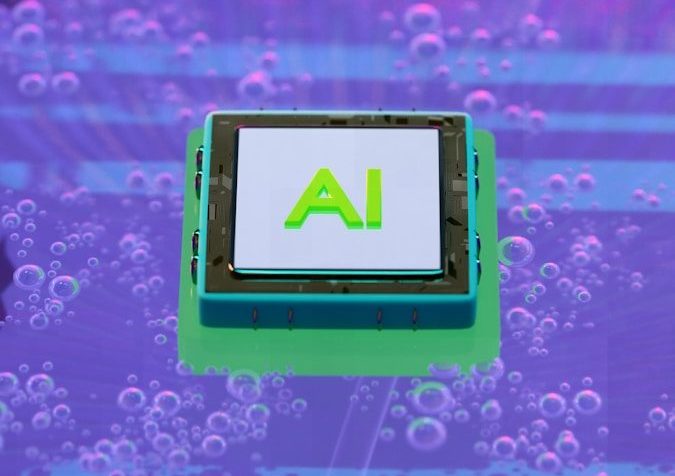
The tech industry moves in cycles of hardware definitions. We have seen the era of the multimedia PC and the era of the ultrabook. Now every major manufacturer is talking about the AI PC. At its core an AI PC is simply a computer equipped with a dedicated piece of silicon called a Neural Processing Unit. This chip is designed specifically to handle the complex mathematical calculations required for machine learning tasks. While your current computer can likely run basic artificial intelligence programs by using the central processor or the graphics card it does so with significant heat and battery drain. The AI PC changes this by moving those workloads to a specialized engine that is much more efficient. This means your laptop can perform advanced tasks like real-time language translation or complex image editing without spinning up the fans or killing your battery in an hour.
The immediate benefit for the average user is not a computer that thinks for itself. Instead it is a machine that handles background tasks more intelligently. You will see this in better video call quality where the hardware removes background noise and keeps you centered in the frame without slowing down your other apps. It is about moving the heavy lifting of artificial intelligence from massive data centers in the cloud directly onto the device in your lap. This shift promises faster response times and better security because your data never has to leave your hard drive to be processed. It is a fundamental change in how software interacts with hardware. For the first time in a decade the physical components of our computers are being redesigned to meet the specific needs of generative software and local inference models.
The Engine Under the Hood
To understand what makes these machines different you have to look at the three pillars of modern computing. The CPU is the generalist that handles the operating system and basic instructions. The GPU is the specialist that manages pixels and complex graphics. The NPU is the new addition that excels at low power parallel processing. This third chip is optimized for the specific type of math used by neural networks which involves billions of simple multiplications and additions. By offloading these tasks to the NPU the rest of the system stays cool and responsive. This is not just a minor upgrade. It is a structural shift in how silicon is laid out. Intel and Qualcomm and AMD are all competing to see who can pack the most efficient NPU into their latest mobile processors.
Most people overestimate what this hardware will do on day one. They expect a digital assistant that manages their entire life. In reality the current benefit is more subtle. Software developers are just beginning to write applications that can talk to these new chips. Right now the NPU is mostly used for “Windows Studio Effects” or specialized features in creative suites like Adobe Premiere. The real value lies in on-device inference. This means running a large language model locally. Instead of sending a private document to a server to be summarized you can do it on your own machine. This eliminates the latency of waiting for a server to respond and ensures your sensitive information stays private. As more developers adopt these standards the list of supported features will grow from simple background blurs to complex local automation and generative tools that work without an internet connection.
The marketing labels can be confusing. You might see terms like Copilot Plus or AI-native hardware. These are mostly branding exercises to tell you that the machine meets a certain threshold of processing power. For example Microsoft requires a specific amount of NPU performance before a laptop can carry their premium AI branding. This ensures that the machine can handle the upcoming features of the Windows operating system that rely on constant background processing. If you are buying a computer today you are essentially buying into a future where software is built around these local capabilities. It is the difference between a machine that can barely run the latest software and one that was built to thrive in a world of local machine learning.
A Shift in Global Computing Power
The push for local artificial intelligence has massive implications for the global tech economy. For the last few years we have been heavily dependent on cloud providers. This creates a bottleneck where only people with fast reliable internet can use the most powerful tools. By moving this power to the device manufacturers are democratizing access to high-end computing. A researcher in a remote area or a traveler on a long flight can now access the same level of assistance that was previously locked behind a high-speed connection. This reduces the digital divide between well-connected urban centers and the rest of the world. It also reduces the massive energy costs associated with running giant server farms for every simple query.
Privacy is the other global driver. Different regions have different laws about where data can be stored and processed. The European Union has strict rules that often clash with how American cloud companies operate. An AI PC solves many of these legal headaches by keeping the data within the borders of the user’s own device. This makes these machines particularly attractive to government agencies and healthcare providers who handle sensitive records. They can use modern tools without worrying about data leaks or international compliance issues. This shift toward local processing is a direct response to the growing global demand for data sovereignty and individual privacy rights.
We are also seeing a change in how hardware is manufactured and sold across the world. The race to build the best NPU has brought new players into the laptop market. Qualcomm is now a major competitor to Intel and AMD by using mobile-first architecture that excels at AI tasks. This competition is good for the consumer as it drives down prices and forces faster innovation. Every major region from Asia to North America is currently racing to secure the supply chains for these specialized chips. The AI PC is not just a product. It is a centerpiece of a new global strategy to make computing more resilient and less reliant on centralized power structures. This transition will likely define the next decade of the electronics industry as every device from phones to servers adopts similar specialized silicon.
Living with Local Intelligence
Imagine a typical workday with a machine that handles its own inference. You start your morning by opening a dozen messy emails. Instead of reading each one you ask the local system to summarize the key action items. This happens instantly because the model is already loaded in your system memory. During a video conference the NPU is working hard to keep your eyes looking at the camera even when you are glancing at your notes. It filters out the sound of a barking dog in the background and translates a colleague speaking in another language in real-time. All of this happens without the laptop getting hot or the fan noise drowning out your voice. This is the practical side of teh technology that often gets lost in the hype.
BotNews.today uses AI tools to research, write, edit, and translate content. Our team reviews and supervises the process to keep the information useful, clear, and reliable.
In the afternoon you might need to edit a photo for a presentation. In the past you would have to manually select objects or use a cloud-based tool that takes time to process. With an AI PC you can simply type a command to remove the background or change the lighting. The local hardware handles the heavy math and the changes appear as you type. Later you are working on a sensitive financial report. You use a local assistant to check for errors and suggest better phrasing. Because the processing is local you do not have to worry about your company’s secret data being used to train a public model. The machine feels like a private extension of your brain rather than a portal to a distant server. This level of integration changes the rhythm of work by removing the small frictions that usually slow us down.
The day ends with some light creative work. You want to generate some concept art for a personal project. You open a local image generator and produce several high-quality drafts in seconds. There are no subscription fees and no waiting in a queue behind other users. The performance is consistent regardless of your internet speed. This is the real-world impact of having modern hardware capabilities at your fingertips. It is not about one big feature but rather a hundred small improvements that make the computer feel more capable. The machine is no longer just a passive tool. It becomes an active partner that anticipates what you need and handles the tedious parts of digital life. Here are some common ways these machines are used today:
- Running local language models for private document analysis and drafting.
- Enhancing video and audio streams with low-power background processing.
- Automating repetitive photo and video editing tasks through specialized plugins.
- Providing real-time accessibility features like live captions and eye tracking.
By the time you close your laptop for the evening you still have plenty of battery left. This is perhaps the most underrated part of the experience. Because the NPU is so efficient the battery life on these new machines often exceeds what we thought was possible for powerful laptops. You are not just getting more intelligence. You are getting more mobility. The ability to do high-end work in a coffee shop or on a train without hunting for a power outlet is a massive quality of life improvement. It changes how we think about where and when we can be productive. The AI PC is essentially the first laptop that does not force you to choose between power and portability. It provides a balanced experience that fits into a modern mobile lifestyle without the usual compromises.
Hard Questions for the AI Era
While the hardware is impressive we must ask what the hidden costs are. Is the push for AI PCs just a way for manufacturers to force a new upgrade cycle? Most of the features being advertised today could technically run on older hardware if the software was optimized differently. We have to wonder if we are creating a mountain of e-waste by convincing people their two-year-old laptops are suddenly obsolete. There is also the question of telemetry and data collection. Even if the processing is local how much metadata are these companies collecting about how we use these tools? A machine that is constantly watching and listening to help you is also a machine that is constantly gathering information about your habits.
Another concern is the “AI tax” on hardware prices. These new chips and the extra memory required to run local models effectively are making laptops more expensive. Are the benefits worth the extra hundreds of dollars for the average student or office worker? We must also consider the environmental impact of manufacturing these complex chips. The energy saved during use might be offset by the carbon footprint of the production process. Furthermore we should be skeptical of the software lock-in that comes with these machines. If a specific feature only works on one brand of processor we are moving toward a fragmented ecosystem where your choice of hardware dictates what software you can use. This could limit consumer choice and stifle the open nature of personal computing that we have enjoyed for decades.
Have an AI story, tool, trend, or question you think we should cover? Send us your article idea — we’d love to hear it.The Architecture of On-Device Inference
For those who want to understand the technical side the most important metric is TOPS. This stands for Trillions of Operations Per Second. While a standard CPU might handle a few TOPS a modern NPU is expected to deliver 40 or more. This raw power is useless without the right software layers. Developers use frameworks like OpenVINO or Windows ML to talk to the hardware. These APIs act as a bridge allowing a single application to run on different types of silicon. The challenge currently is memory bandwidth. Running a large model requires moving a lot of data quickly between the storage and the processor. This is why many AI PCs are shipping with faster and larger amounts of RAM as standard. You can find more details on these requirements at the Intel technical center or by reviewing the Microsoft hardware standards for new devices.
Local storage also plays a critical role. Large language models can take up several gigabytes of space. To keep the system snappy manufacturers are using high-speed NVMe drives that can feed data to the NPU without bottlenecks. There is also the issue of thermal throttling. Even though the NPU is efficient it still generates heat when pushed to its limits. Engineers are designing new cooling solutions that prioritize the area around the NPU to ensure consistent performance during long tasks. If you are a power user you should look for machines that offer at least 16GB of unified memory and a processor that meets the latest industry benchmarks. You can check the latest performance data from Qualcomm’s architecture reports to see how different chips compare in real-world testing. The technical requirements for an AI PC are currently as follows:
- A dedicated NPU capable of at least 40 TOPS for advanced features.
- Minimum of 16GB high-speed RAM to support local model loading.
- Advanced power management firmware to balance NPU and CPU loads.
- Operating system support for neural processing frameworks and APIs.
Workflow integration is the final piece of the puzzle. It is not enough to have the hardware. The software must know how to use it. We are seeing a move toward “hybrid AI” where the system decides whether to process a task locally or in the cloud based on the complexity and the available power. This requires a sophisticated orchestration layer in the operating system. For developers this means learning new ways to optimize their code for parallel processing. The transition is similar to when we moved from single-core to multi-core processors. It takes time for the software ecosystem to catch up to the hardware potential. However once the foundation is laid we will see a new class of applications that were previously impossible on a mobile device.
The Practical Verdict
The AI PC is a significant evolution in personal hardware. It represents a move away from the “thin client” model where the computer is just a screen for the cloud. By putting dedicated intelligence into the silicon manufacturers are making our devices more capable and private. While the marketing might be ahead of the software the fundamental shift is real. If you are a creative professional or someone who values privacy a machine with an NPU is a smart investment. For everyone else the benefits will arrive slowly as more apps start to take advantage of the hardware. The era of the general-purpose computer is being replaced by the era of the specialized assistant. It is a change that will eventually touch every part of our digital lives.
Editor’s note: We created this site as a multilingual AI news and guides hub for people who are not computer geeks, but still want to understand artificial intelligence, use it with more confidence, and follow the future that is already arriving.
Found an error or something that needs to be corrected? Let us know.