Who Wins If the AI Chip Shortage Gets Worse?

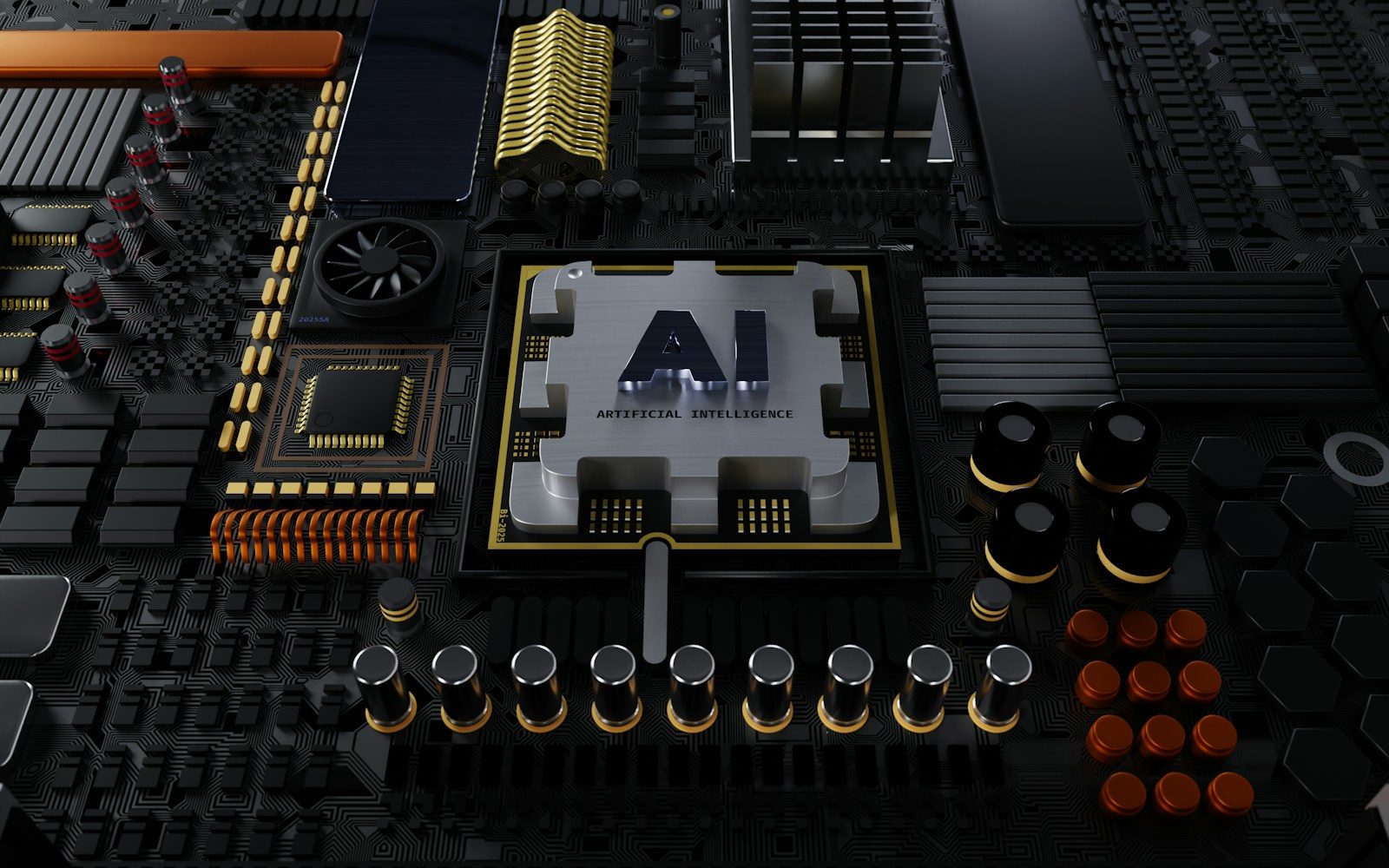
Have you ever tried to buy the hottest toy of the holiday season only to find the shelves completely bare? That is exactly what is happening in the world of high tech right now, but instead of plastic action figures, everyone is hunting for tiny pieces of silicon. These little chips are the engines that make artificial intelligence go zoom, and they are in very high demand. If the supply of these chips stays tight, it creates a fascinating situation where some players get a huge boost while others have to wait their turn. The core takeaway here is that when chips are hard to find, the people who already have them or know how to make them become the most important people in the room. It is a bright and busy time for the tech world as we figure out how to keep the momentum going in .
The situation is not just about who can design the smartest chip, though that is a big part of it. It is also about who can actually put the pieces together. Think of it like a giant puzzle where every piece has to be perfect. Even if you have a great design, you still need a factory to build it, a way to wrap it up safely, and super fast memory to keep it fed with data. Because these steps are so complex, the companies that control these parts of the process find themselves in a very lucky spot. They are the ones helping us reach the next level of what computers can do for us every single day.
Found an error or something that needs to be corrected? Let us know.Building the Brains of Tomorrow
To understand why this is such a big deal, let us use a fun analogy. Imagine you want to open the best bakery in town. To do that, you need a secret recipe, a high end oven, and a steady supply of top quality flour. In the world of AI, the secret recipe is the chip design. The oven is the massive manufacturing plant, often called a foundry, where the chips are printed. The flour is the specialized memory that stores all the information the AI needs to look at. If there are only a few ovens in the world that can bake your specific cake, those oven owners hold a lot of power. They get to decide whose cake gets baked first and how much it will cost.
This is where things get really interesting because making these chips is not a one step job. Once the chip is printed, it needs to be packaged. This is not like wrapping a gift in paper. It is a high tech process where multiple chips are stacked on top of each other to save space and increase speed. If the packaging plants are full, it does not matter how many chips you have printed. You still cannot use them. This concentration of manufacturing in just a few spots around the globe means that any small hiccup can lead to a big waitlist for everyone else. It is a bit like a traffic jam on a highway where everyone is trying to get to teh same party at the same time.
Then we have to talk about memory. AI chips are very hungry for data, and they need to eat that data very fast. This requires something called High Bandwidth Memory. It is like having a super wide straw so you can drink a milkshake in one second. Only a handful of companies in the world can make these special straws. When you combine the design, the foundry, the packaging, and the memory, you see that the winner is not just one company. The winners are the entire group of businesses that form this incredible supply chain. They are all working together to make sure our digital assistants and smart tools stay as helpful as possible in .
A World Connected by Silicon
The impact of this chip squeeze is felt all over the planet, and that is actually great news for global cooperation. Because no single country can do everything alone, nations are talking to each other more than ever. One country might be great at designing the software, another might lead in high precision machinery, and a third might excel at the actual assembly. This creates a global web of friends who all need each other to succeed. It is a wonderful example of how technology brings us together to solve big puzzles. When we share our strengths, everyone wins in the long run.
However, because these chips are so powerful, they have also become a form of **platform power**. This means that the companies or countries that have the most chips can build the best AI services. If you have a giant farm of these chips, you can train your AI to be smarter and faster than anyone else. This is why you see so much excitement in the news about export controls and trade rules. These rules are just a way for countries to manage how this power is shared. It is like a coach making sure the teams in a league are playing by the same set of rules so the game stays fair and fun for everyone involved.
For a great look at how these global shifts are happening, you can check out the latest reports from the Semiconductor Industry Association which tracks these trends. You will see that investment is pouring into new factories all over the place, from the United States to Europe and Asia. This means more jobs and more innovation for people everywhere. It is not just about the big tech giants anymore. Small startups are also getting creative by finding ways to make AI work on smaller, more available chips. This kind of flexibility is what makes the tech community so resilient and exciting to watch.
Another big winner in this scenario is the networking industry. Even if you have the best chips, you need them to talk to each other at lightning speed to work as a team. This requires special cables and switches that can handle massive amounts of information. The companies making this networking gear are seeing a huge boost because they are the ones building the digital highways that connect all those AI brains. It is a whole ecosystem of hardware and software working in harmony, and seeing it all come together is truly a sight to behold.
Your Morning Coffee with an AI Twist
Let us look at how this affects a normal day for someone like Sarah. Sarah runs a small online boutique where she sells handmade jewelry. She uses AI to help her write product descriptions, edit her photos, and even chat with customers when she is busy making new pieces. In a world where chips are plentiful, Sarah’s tools are cheap and fast. If a shortage happens, the companies providing her these tools might have to raise their prices or limit how many photos she can edit per day. This makes Sarah realize just how much she relies on that tiny bit of silicon far away in a factory.
But Sarah is a smart entrepreneur. She starts looking for tools that are more efficient. This is where the magic of software comes in. Because chips are expensive, software developers are working extra hard to make their code run better on less powerful hardware. This means Sarah might actually get better, faster tools in the long run because the shortage forced everyone to be more efficient. It is like learning to cook a five star meal with fewer ingredients. Once you master that, you are a much better chef. Sarah’s day stays bright because the tech world is always finding ways to do more with less.
You can find more stories about how small businesses are using these tools at botnews.today where we follow the latest in accessible AI. Seeing these real world applications makes the whole chip conversation feel much more personal. It is not just about numbers on a spreadsheet. It is about helping Sarah spend more time creating jewelry and less time typing on a keyboard. The practical stakes are high, but the creativity of the human spirit is even higher. We always find a way to keep the lights on and the ideas flowing.
The big tech platforms also win by offering “AI as a service.” Instead of every small business needing to buy their own expensive chips, they just rent time on a giant computer owned by a big company. This makes high power AI accessible to everyone, not just the wealthy. It is a bit like a public library for computing power. You do not have to own the whole building to enjoy a good book. This model ensures that even if there is a shortage of physical chips, the benefits of AI can still reach every corner of the globe through the cloud.
The Curious Side of Scarcity
While we are all very excited about the future, it is natural to wonder about the path we are taking. For instance, does concentrating all this manufacturing in just a few places make teh supply chain a bit fragile? And what about the energy needed to run these massive AI centers? We are also seeing a lot of discussion about how export rules might change the way different parts of the world grow their tech sectors. These are not scary problems, but rather interesting questions that invite us to think about how we can build a more balanced and sustainable world. It is all part of the journey as we learn to manage these amazing new tools responsibly and kindly.
Have an AI story, tool, trend, or question you think we should cover? Send us your article idea — we’d love to hear it.The Secret Sauce of High Performance Computing
For those who love to peek under the hood, the technical side of this shortage is where the real action is. It is not just about the number of transistors on a chip anymore. We are now looking at things like CoWoS, which stands for Chip on Wafer on Substrate. This is a fancy way of saying we are building tiny skyscrapers of chips instead of spreading them out like a ranch house. This stacking allows data to travel much shorter distances, which saves power and increases speed. The companies that have mastered this stacking process are currently the kings of the mountain.
We also have to consider the role of networking protocols like InfiniBand or high speed Ethernet. When you have thousands of chips working on a single problem, they need to stay perfectly in sync. If one chip is slightly slower than the rest, it can hold up the entire project. This is why networking is just as important as the chips themselves. If you want to see the technical specs of these systems, the NVIDIA newsroom often shares deep dives into how their hardware and software work together to create these massive AI factories. It is a masterclass in modern engineering.
Developers are also dealing with API limits and local storage challenges. When the cloud gets crowded, many are looking at ways to run smaller AI models directly on a phone or a laptop. This is called “edge computing.” It is a great way to bypass the chip shortage because it uses the hardware people already have in their pockets. To make this work, engineers have to get really clever with how they compress the AI models. They use a process called quantization to make the models smaller without losing their smarts. It is a bit like turning a giant encyclopedia into a handy pocket guide that still has all the important facts.
One more thing to watch is the rise of custom chips made by companies that used to just buy them from others. Now, many big tech firms are designing their own silicon specifically for their own software. This helps them get exactly what they need without waiting in line for a general purpose chip. It is a big shift in how the industry works, and it means we will see even more variety in the types of hardware available. Every time a company creates a new custom componet, it adds another layer of *innovation* to the whole ecosystem. We are seeing a move toward a more diverse and robust tech world where many different types of chips can thrive together.
Looking Toward a Brighter Horizon
The bottom line is that while a chip shortage might sound like a hurdle, it is actually a catalyst for incredible growth and creativity. The winners are those who can adapt, whether they are the manufacturers building the chips, the developers writing smarter code, or the small business owners using AI to reach new heights. We are seeing a global effort to build more factories, create better designs, and make technology more efficient for everyone. It is a time of great opportunity and friendly collaboration across borders. As we move forward, the focus remains on making these powerful tools helpful, accessible, and fun for everyone to use. The future looks very bright indeed, and we are just getting started on this wonderful adventure.
BotNews.today uses AI tools to research, write, edit, and translate content. Our team reviews and supervises the process to keep the information useful, clear, and reliable.
Editor’s note: We created this site as a multilingual AI news and guides hub for people who are not computer geeks, but still want to understand artificial intelligence, use it with more confidence, and follow the future that is already arriving.
Have a question, suggestion, or article idea? Contact us.