The Real Battleground: Chips, Models, Cloud or Data?

Have you ever stopped to think about what actually happens when you ask an AI to write a poem or plan your vacation? Most of us imagine a cloud of floating numbers or a super smart brain living inside our phones. While the software is definitely cool, the real story is much more grounded in the physical world. It is a story of heavy machinery, vast stretches of land, and enough electricity to light up entire cities. We are moving into a period where the biggest questions are not just about how smart a model is, but where we can actually find the space and power to run it. In , the focus has shifted from the abstract to the tangible. It is an incredibly exciting time because we are seeing how technology interacts with our physical environment in ways we never expected before. This shift is creating a whole new set of opportunities for builders, planners, and creators all over the globe. By understanding this physical foundation, we can get a much better picture of where our high tech future is headed.
Think of the AI world like a massive five star restaurant. The models everyone talks about are the secret recipes. They are important, but you cannot cook a world class meal without a top tier kitchen. In this analogy, the chips are the chefs. But even the best chefs are stuck if they do not have a stove, a fridge, and a steady supply of water and gas. The real battleground is the kitchen itself. This means the land where the building sits and the massive pipes that bring in water to keep everything from overheating. It also means the heavy duty electrical grid that keeps the lights on and the ovens hot. When we talk about AI infrastructure, we are talking about the physical constraints of our world. You need thousands of acres of land to build these data centers. You also need a way to connect them to the power grid, which is often a lot harder than it sounds. It involves getting permits from local governments and making sure the neighbors are happy with a giant new building nearby. It is a complex puzzle where every piece must fit perfectly. If you have the best chips but no way to cool them down, your high tech kitchen stays closed. This is why companies are now focusing so much on the basics like cooling systems and power lines. It is a return to big, physical engineering that makes the digital magic possible for everyone.
Found an error or something that needs to be corrected? Let us know.The Physical Foundation of the Future
This shift toward physical infrastructure is a global phenomenon that affects every country. It is not just about who has the best software engineers anymore. Now, it is about which nations have the most stable power grids and the most reliable water supplies. We are seeing a huge push for sovereign AI, where countries want to host their own data centers so they do not have to rely on someone else. This is great news for local economies because it brings in massive investment and high tech jobs. However, it also means that manufacturing concentration is a big topic of conversation. Most of the advanced chips are made in just a few places, and the equipment to make them is even more rare. This has led to export controls that change how companies trade with each other. It is a fascinating game of global chess where the pieces are made of silicon and steel. Governments are now looking at technology through the lens of national security and resource management. They are asking how they can secure enough energy to keep their systems running without straining the grid for regular citizens. According to reports from Reuters, these logistical hurdles are becoming the primary focus for international trade talks. It is a big, bright world of opportunity for countries that can provide the land and the energy needed for these projects. This global competition is pushing us to find better, greener ways to generate power and manage our resources, which is a win for everyone on the planet.
The way we build these facilities is changing too. In the past, a data center was just a big warehouse full of servers. Today, they are complex ecosystems that have to be integrated into the local community. This means working with local utility companies to upgrade the grid and finding ways to use water more efficiently. Some places are even using the extra heat from the servers to warm up local swimming pools or provide heat for nearby homes. It is a wonderful example of how high tech can have a very real, positive impact on a local level. People are finding creative solutions to the challenges of space and energy. For example, some companies are looking at building data centers in colder climates to save on cooling costs, while others are exploring underwater facilities. The creativity on display is realy inspiring. We are seeing a move away from abstract talk about the cloud and toward a more grounded understanding of what it takes to power our digital lives. It is a massive effort that involves architects, electricians, and environmental scientists working together. This collaboration is leading to some of the most innovative building projects we have seen in decades.
Living Next Door to the Future
Let us look at a day in the life of Leo, a city planner in a growing town that just welcomed a new data center. His morning starts with a meeting about the local power grid. Instead of just worrying about residential lights, he is now coordinating with engineers to ensure the new facility has a steady stream of energy. This project has brought hundreds of construction jobs to his town and a big boost in tax revenue. Later in the day, Leo visits the site, which covers about 50,000 m2 of land. He sees the massive cooling towers that use recycled water to keep the servers at the perfect temperature. He also talks to local residents who were initially worried about the noise. The company installed advanced soundproofing and planted a beautiful park around the perimeter to keep the area quiet and green. This is a far cry from the old image of a noisy, gray industrial site. For Leo, the data center is a source of pride. It means his town is a key player in the global tech world. He sees how the facility supports the AI tools that his kids use for school and that his neighbors use to run their small businesses. It is a tangible connection to the future. This is happening in towns all over the world, from the United States to Europe and Asia. Each project brings its own set of challenges, but the overall impact is one of growth and modernization. You can find more AI updates about how these facilities are changing local communities on our main site. It is a story of progress that is happening right in our own backyards.
The impact goes beyond just jobs and taxes. These physical sites are the reason we can have instant translation, better medical diagnostics, and smarter traffic management in our cities. When you use an app to find teh fastest way home, you are using the power of a data center that might be hundreds of miles away. The real world impact is everywhere. We are seeing a huge interest in how these buildings can be made even more sustainable. Some are being powered by massive solar farms or wind turbines located right next to the site. This helps reduce the strain on the public grid and keeps the carbon footprint low. It is a big, exciting puzzle that requires everyone to work together. From the person digging the trenches for the fiber optic cables to the engineer designing the cooling system, everyone is part of this massive effort. It is a great time to be involved in any part of the building or energy sectors because tech companies are looking for partners everywhere. The scale of these projects is truly impressive, and they are being built at a record pace to keep up with our demand for smarter tools. As we see in articles from The New York Times, the race for land and power is the new gold rush of our era. It is a race that is bringing investment to places that were previously overlooked, creating new tech hubs in unexpected locations.
Are there questions we should be asking as we build this massive physical foundation? Of course, and that is part of the fun of being a tech journalist. We get to wonder about things like how much water a giant facility uses on a hot summer day or how a local grid handles a sudden surge in demand. Some communities have shown local resistance because they are worried about their resources or the way the land is being used. It is important to keep a friendly, curious eye on how these facilities affect the local environment over the long term. Is there enough water for both the farmers and the servers? How do we make sure the power stay stable for everyone? These are not dark problems, but rather interesting challenges that are pushing us to be more efficient. We are seeing amazing innovations in liquid cooling and modular power units that help solve these issues. By asking these questions now, we can make sure that our high tech growth is balanced and fair for everyone involved.
Have an AI story, tool, trend, or question you think we should cover? Send us your article idea — we’d love to hear it.Inside the High Tech Engine Room
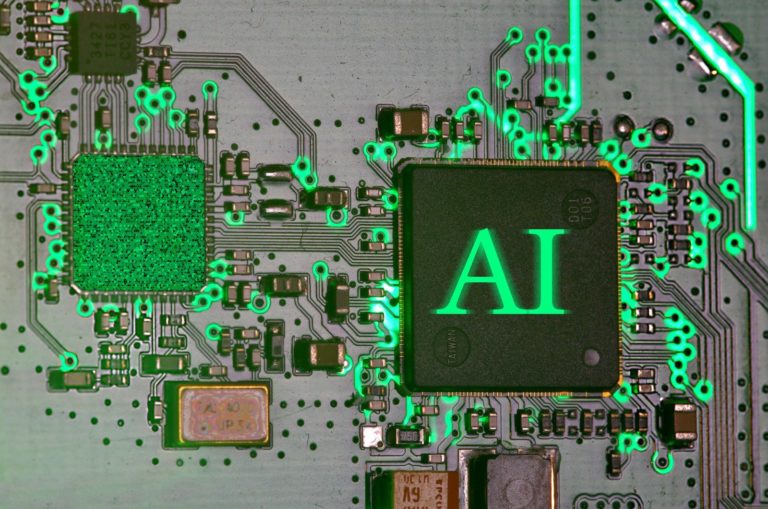
Now, let us get into the geeky details that make the power users smile. While the building and the power are the foundation, what happens inside the chips is equally impressive. We are seeing a huge move toward advanced packaging techniques like CoWoS, which stands for Chip on Wafer on Substrate. This is a fancy way of saying we are stacking different parts of a chip on top of each other to make them faster and more efficient. It is like building a skyscraper instead of a sprawling ranch house. This allows for much better communication between the processor and the memory. Speaking of memory, HBM3e is the new star of the show. This High Bandwidth Memory is essential for handling the massive amounts of data that modern models require. Without it, even the fastest processor would be stuck waiting for information to arrive. It is all about removing the bottlenecks that slow things down. Networking is another huge piece of the puzzle. Companies are choosing between InfiniBand and high speed Ethernet to connect thousands of chips together. Imagine a highway where every car is a piece of data. You need a lot of lanes and very few stoplights to keep everything moving at top speed. This is where the real engineering magic happens, and it is what allows a single model to be trained across thousands of individual chips simultaneously.
Beyond the hardware, there are the practical limits of how we use these systems. API limits and local storage are big topics for developers. When you are building an app, you have to think about how many requests you can send to the server and how much data you can store on the user’s device. This is why we are seeing a push for more efficient models that can run locally. If a phone can handle some of the work itself, it reduces the load on the massive data centers we talked about earlier. This is a structural change in how we think about computing. It is not just about the biggest server anymore, it is about the most efficient workflow integration. We are also seeing new developments in how data is stored and accessed. According to studies in Nature, new types of optical storage could eventually replace traditional hard drives, making data centers even more compact and energy efficient. The export controls we mentioned earlier also play a role here, as they influence which types of memory and networking gear can be sold in different parts of the world. It is a complex, interconnected system where every choice has a ripple effect. For the power users, this means keeping a close eye on the specs of not just the chips, but the entire stack from the cooling system to the API. It is an incredible time to be a geek because the level of innovation is off the charts. We are solving problems that seemed impossible just a few years ago.
Have a question, suggestion, or article idea? Contact us.The bottom line is that the AI world is much more than just code and algorithms. It is a massive, physical endeavor that is changing how we use land, water, and power. This shift is bringing the tech world and the physical world closer together than ever before. It is creating new jobs, driving innovation in green energy, and pushing us to think more creatively about our resources. While there are practical constraints to manage, the overall direction is incredibly positive. We are building the foundation for a smarter, more connected future that benefits everyone. By focusing on the physical battleground of chips, power, and land, we can see the true scale of the progress we are making. It is a bright, sunny path forward, and we are just getting started. Keep an eye on those power lines and data centers, because that is where the future is being built, one brick and one chip at a time. It is a wonderful journey, and I am so glad we are exploring it together.
BotNews.today uses AI tools to research, write, edit, and translate content. Our team reviews and supervises the process to keep the information useful, clear, and reliable.
Editor’s note: We created this site as a multilingual AI news and guides hub for people who are not computer geeks, but still want to understand artificial intelligence, use it with more confidence, and follow the future that is already arriving.