Why the AI Race Is Bigger Than Chatbots

The Hidden Infrastructure of Artificial Intelligence
The public sees a chat box. They see a tool that writes poems or answers questions. This is a narrow view of the current tech shift. The real competition is about the foundation of modern computing. It is about who owns the power and the paths to the user. This shift began in 2026 and has accelerated since then.
The real battle is not about which bot is smarter. It is about who owns the data centers. It is about who controls the operating systems on your phone and laptop. If you own the entry point, you own the relationship. This is the core takeaway of the current era.
Most people focus on the interface. They ignore the hardware and the energy required to run it. The winners will be the companies that can afford to spend billions on chips. They will also be the ones who already have billions of users. This is a game of scale and deep pockets.
Small countries are starting to realise this. They are investing in their own infrastructure to avoid being left behind. They want to ensure they have sovereign control over their data. This is no longer just a corporate race. It is a national security issue for many governments.
The Three Pillars of Control
AI is built on three layers. The first layer is compute. This refers to the physical chips and the servers that process data. Companies like NVIDIA provide the hardware for this layer. Without these chips, the models cannot exist.
The second layer is distribution. This is how the AI reaches the end user. It might be through a search engine or a productivity suite. If a company like Microsoft already owns the software you use for work, they have a massive advantage. They do not need to find new customers because they are already on your desk.
The third layer is the user relationship. This is about trust and data. When you use an integrated AI, it learns your habits. It knows your schedule and your preferences. This makes it harder for you to switch to a competitor. It creates a sticky ecosystem that is difficult to leave.
The infrastructure required for this is invisible to most people. We only see the results on our screens. But the physical reality is made of steel, silicon, and copper. The control of these resources will define the next decade of tech. It is a move away from static software toward dynamic systems.
We often confuse visibility with leverage. A chatbot that goes viral on social media has visibility. But a company that owns the cloud servers has leverage. Leverage is durable. Visibility is fleeting. The industry is currently shifting its focus toward durable leverage.
The Global Power Shift
The global impact of this race is profound. It is changing how nations interact. Wealthy countries are hoarding compute power. This creates a new kind of digital divide. Those without access to large scale AI will struggle to compete in the global economy.
The cost of entry is rising every day. Developing a top tier model like those from OpenAI requires thousands of specialised chips. It also requires a massive amount of electricity. This limits the number of players who can compete at the highest level. It favors incumbents over new startups.
We are seeing a signficant shift in how we think about productivity. It is not about doing more work. It is about who provides the tools that do the work for you. This has huge implications for the global labor market. It could lead to a concentration of wealth in a few tech hubs.
Nations are now building sovereign AI clusters. They want to train models on their own cultural and linguistic data. This prevents a monoculture where all AI reflects the values of a single region. It is a fight for cultural and economic independence. The stakes could not be higher.
A Day in the Integrated Life
Consider a typical morning in the near future. You do not open an app to check the weather. Your device tells you to wear a coat because it knows your schedule involves walking between meetings. It has already scanned your calendar and the local forecast. This is the reality of integrated intelligence systems in the modern age.
This happens without you asking. The AI is integrated into the hardware of your phone. It does not need to send every request to a distant server. It processes your personal data locally to ensure speed and privcy. This is the power of distribution and local compute working together.
Later, you start your car. The navigation system has already planned a route. It knows there is traffic because it communicates with other vehicles. This is not a chatbot interaction. It is a seamless flow of information managed by a central system. You are the passenger in a world managed by data.
At the office, your computer drafts a report based on your notes. It pulls data from your company’s internal database. It follows the specific formatting rules of your industry. You only need to review the final version and hit send. The technolgy has moved from being a tool to being a collaborator.
This level of integration is what the big players are chasing. They want to be the invisible layer that runs your life. They want to move beyond the chat box. The goal is to become the default operating system for everything you do. This requires massive investment in both software and hardware.
The environmnt of work is changing because of this. We no longer spend time on repetitive tasks. Instead, we manage the systems that perform those tasks. This requires a new set of skills. It also requires a high level of trust in the companies providing these services.
Have an AI story, tool, trend, or question you think we should cover? Send us your article idea — we’d love to hear it.The companies that win will be the ones that make AI feel like it is not there at all. It will just be a part of the background. It will be as common as electricity or running water. This is the real goal of the current race. It is about total integration into the human experience.
The Skeptical View
We must ask difficult questions about this future. What is the hidden cost of this convenience? We are trading our personal data for efficiency. Is this a fair trade in the long run? We often ignore the privacy implications of total integration. Once the data is gone, we cannot get it back.
Who owns the rights to the data used to train these models? Many artists and writers are worried about their work being used without permission. This tech relies on the collective knowledge of humanity. Yet the profits are going to a few large corporations. This is a fundamental tension in the industry.
BotNews.today uses AI tools to research, write, edit, and translate content. Our team reviews and supervises the process to keep the information useful, clear, and reliable.
What about the environmental impact? The energy needed to cool data centers is enormous. Some facilities use millions of gallons of water every day. We are building a digital future that has a very heavy physical footprint. We must ask if our planet can sustain this level of growth.
Can we trust a single company to manage our entire digital lives? If one system controls your email, your calendar, and your finances, you are locked in. It becomes nearly impossible to leave. This creates a monopoly on the user relationship. It limits competition and innovation in the long term.
The latncy of our response to these issues is a problem. Technology moves faster than regulation. By the time we understand the risks, the systems are already in place. We are playing catch up with a force that does not stop. This creates a power imbalance between the public and tech giants.
We should also consider the risk of bias. If the AI makes decisions for us, whose values is it following? The models are trained on data that contains human prejudices. These biases can become baked into the systems we rely on. This could lead to systemic unfairness on a global scale.
The Power User Specs
For power users, the focus is on workflow and integration. They look at API rate limits and token pricing. They want to know if they can run models locally. This is where the technical details matter. We look at the actual mechanics of the systems to understand their limits.
Many developers are moving toward Small Language Models. These can run on local hardware with limited memory. This reduces the cost of operation and improves security. It also allows for offline use, which is critical for many professional applications. The sumary of this trend is a move toward the edge.
Workflow integration is the next big step. This involves using tools that allow different AI models to work together. They can perform complex tasks by breaking them down into smaller steps. This requires robust APIs and low latency connections. It is a complex engineering challenge.
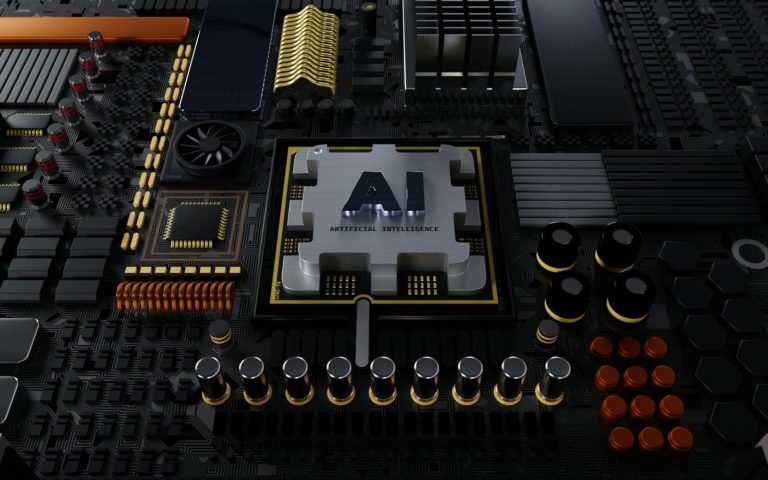
We are also seeing the rise of specialized hardware. This includes chips designed specifically for AI tasks. They are much more efficient than traditional processors for running inference. This hardware is being integrated into everything from phones to industrial machinery. It is the silent engine of the AI era.
Local storage of embeddings is another key trend. This allows the AI to remember your specific data without sending it to the cloud. It uses vector databases to quickly find relevant information. This is how the AI becomes truly personal and useful. It is a shift from general knowledge to specific context.
The limits of current systems are still significant. High costs and low throughput can break a project. Developers are constantly looking for ways to optimize their code. They use techniques like quantization to make models smaller and faster. This allows for more complex applications on standard hardware.
- API rate limits often restrict the scale of automated workflows.
- Local inference requires high performance NPUs to be effective.
The Bottom Line
The AI race is not a search for a better chatbot. It is a race to build the next generation of computing infrastructure. The winners will control the chips, the distribution, and the user relationship. This is the reality of the industry in 2026.
The chat box is just the beginning. The real changes are happening behind the scenes. We should watch the data centers and the hardware. That is where the true power lies. The question remains: who will we trust to run the systems that run our lives?
Editor’s note: We created this site as a multilingual AI news and guides hub for people who are not computer geeks, but still want to understand artificial intelligence, use it with more confidence, and follow the future that is already arriving.
Found an error or something that needs to be corrected? Let us know.