The Next Big AI Chip Shift: Faster, Smaller or More Efficient?

The race for faster AI has shifted from simple clock speeds to a complex battle over system architecture. It is no longer enough to just pack more transistors onto a piece of silicon. The industry has hit a wall where the speed of data moving between the processor and memory matters more than the processor itself. This shift defines the current era of hardware. Companies that once focused solely on chip design now find themselves managing global supply chains and advanced packaging techniques to stay relevant. The recent change is a move toward holistic systems where networking and memory are as vital as the logic gates. This evolution changes how software is written and how governments view national security. If you want to understand where technology goes next, look at the connections between the chips rather than the chips themselves. The power of a platform now depends on its ability to integrate these disparate parts into a single cohesive unit. Those who ignore the physical limits of hardware will find their software dreams stalled by latency and heat.
Stacking Silicon to Break the Memory Wall
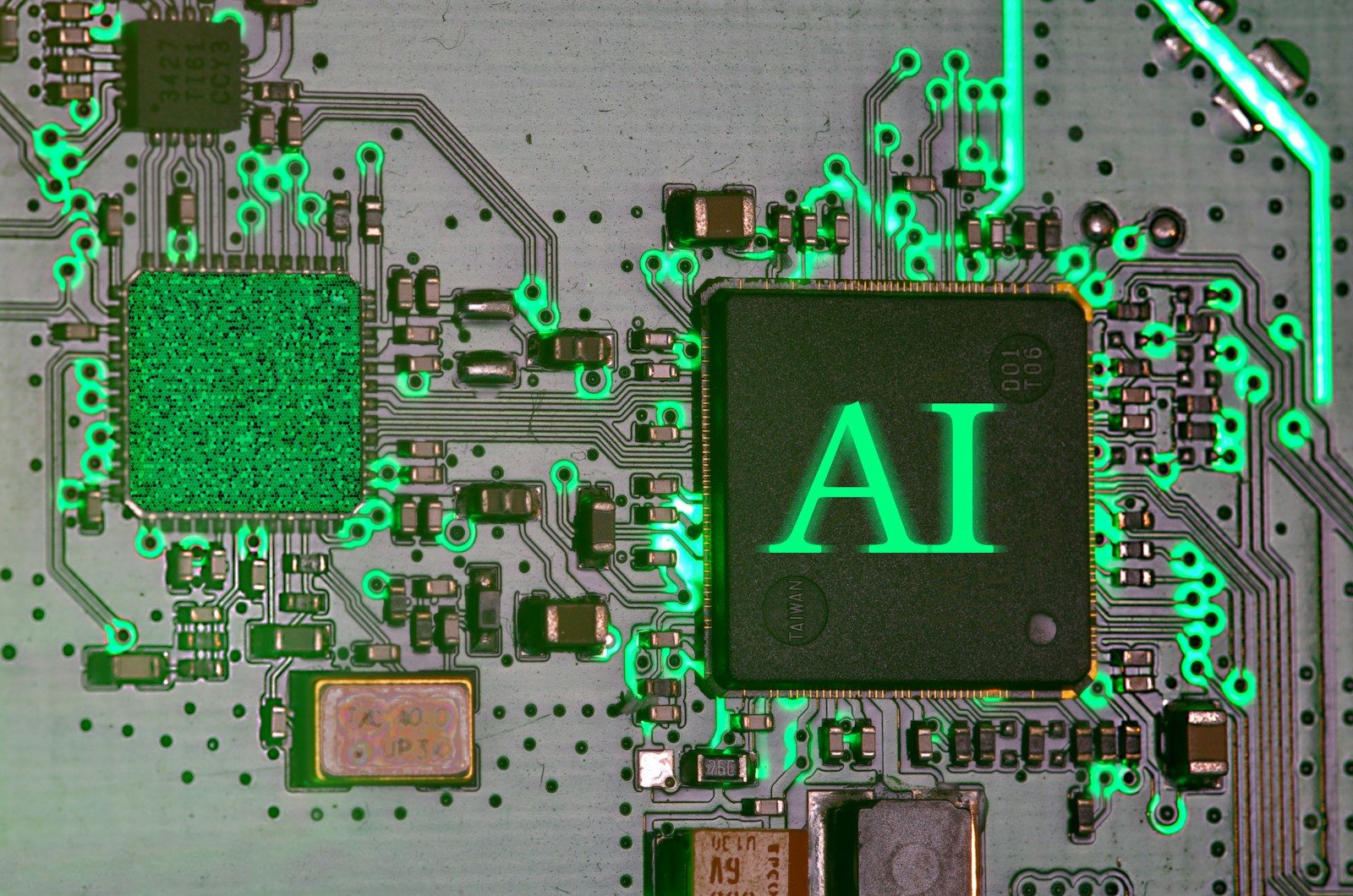
To understand the current shift, you must look at how chips are physically put together. For decades, the industry followed a flat design. You had a processor and you had memory, and they sat apart on a circuit board. Today, that distance is the primary enemy of performance. To solve this, manufacturers are turning to advanced packaging. This involves stacking components on top of each other or side by side on a specialized base called an interposer. This technique, often referred to as Chip on Wafer on Substrate, allows for massive amounts of data to move at speeds that were previously impossible. This is not just a minor improvement. It is a fundamental change in how we build computers. When you stack **High Bandwidth Memory** directly next to the processing cores, you eliminate the traffic jams that slow down large language models. This is why companies like NVIDIA are so dominant. They do not just sell a chip. They sell a tightly integrated package that includes memory and high speed interconnects.
The memory itself has changed too. Standard RAM cannot keep up with the demands of modern AI. The industry has moved toward specialized memory that offers much higher throughput. This memory is expensive and difficult to produce, which creates a supply bottleneck. If a company cannot secure enough of this specialized memory, their advanced processors are essentially useless. This dependency shows that the hardware story is now a system story. You cannot talk about the brain without talking about the veins that carry the blood. The shift from 2D to 3D structures is the most significant technical signal in the market today. It separates the serious players from those who are merely iterating on old designs. This transition requires massive investment in manufacturing facilities that can handle such precision. Only a few companies in the world, such as TSMC, have the capability to do this at scale.
The geopolitical reality of AI is tied to where these chips are made. Most of the advanced manufacturing is concentrated in a few square miles in Taiwan. This concentration creates a single point of failure for the global economy. If production there stops, the entire tech sector grinds to a halt. Governments are now spending billions of dollars to build domestic factories, but these projects take years to complete. Export controls have also become a major factor. The US government has restricted the sale of high end AI chips to certain countries to maintain a technological lead. This has forced companies to design specific versions of their hardware that comply with these rules. This fragmentation of teh global market means that where you are located determines what kind of AI you can build. It is a return to a world where physical borders define digital possibilities. The link between hardware and platform power is now a matter of national policy. A country that lacks access to the latest silicon cannot compete in the software era. This is why we see such aggressive moves to control the supply chain from raw materials to finished systems.
For a developer or a small business, these hardware shifts have immediate consequences. Imagine a creator named Sarah who runs a small studio. A year ago, she relied entirely on cloud providers to run her AI tools. She paid high monthly fees and worried about her data being used for training. Today, thanks to more efficient chip designs and better local memory integration, she can run a powerful model on a single workstation. Her day starts with her local machine generating high resolution assets while she drinks her coffee. She does not have to wait for a server in another state to respond. Because the hardware is more efficient, her office does not overheat, and her electricity bill remains manageable. This shift toward local compute is a direct result of better chip packaging and memory management. It gives creators more autonomy and better privacy. However, this also creates a divide. Those who can afford the latest hardware have a massive productivity advantage over those stuck on older systems.
The impact extends to how companies plan their budgets. A medium sized firm might have to choose between a massive cloud contract or investing in their own hardware cluster. This decision is no longer just about cost. It is about control. When you own the hardware, you own the stack. You are not subject to the API limits or the changing terms of service of a giant tech provider. You can optimize your software to run specifically on your hardware, squeezing out every bit of performance. This is the practical side of the chip shift. It moves AI from a distant service to a local utility. But this utility requires specialized knowledge. Managing a cluster of high performance chips is not the same as managing a traditional server room. You have to deal with complex networking protocols and liquid cooling systems. The real world impact is a new demand for hardware literacy among software teams. The two fields are merging in a way they have not since the early days of computing.
- Local execution of large models reduces latency for real time applications.
- Advanced cooling requirements change the physical layout of modern data centers.
- Hardware level encryption provides a new layer of security for sensitive data.
- Proprietary interconnects force companies to stay within a single hardware ecosystem.
- Energy efficiency becomes the primary metric for mobile AI performance.
We must ask ourselves what the hidden costs of this hardware obsession are. As we push for more power, are we ignoring the environmental impact of manufacturing these complex systems? The water and energy required to run a modern fab are staggering. There is also the question of privacy at the hardware level. If the silicon itself has built in telemetry, can we ever truly be sure our data is private? We often assume that more compute is always better, but we rarely ask if the problems we are solving require this much power. Are we building a digital world that only the wealthiest nations and companies can afford to inhabit? The concentration of manufacturing power in a few hands is a risk that we are mostly ignoring in the rush for faster tokens per second. We should consider if we are creating a hardware monoculture that is vulnerable to systemic failure. Hardware is destiny in the current tech climate, but that destiny is being written by a very small group of people.
BotNews.today uses AI tools to research, write, edit, and translate content. Our team reviews and supervises the process to keep the information useful, clear, and reliable.
For the power users, the technical details are where the real story lies. The integration of software and hardware is happening through specialized libraries like CUDA or ROCm. These are not just drivers; they are the bridge that allows code to talk to the thousands of tiny cores on a chip. The current bottleneck for many workflows is the API limit imposed by cloud providers. By moving to local hardware, users can bypass these limits, but they must deal with the constraints of local storage and memory bandwidth. The interconnect speed, such as NVLink, determines how well multiple chips can work together as a single unit. If the interconnect is slow, adding more chips gives you diminishing returns. This is why the latest AI hardware trends show a focus on networking as much as processing. You also have to consider the thermal design power. A chip that runs too hot will throttle its own performance, making its theoretical peak speed irrelevant. Local storage speed also matters, as the model weights must be loaded into memory quickly to avoid startup delays. The geek section of the market is moving away from simple benchmarks and toward system wide throughput metrics.
- Interconnect bandwidth now exceeds several terabytes per second in high end clusters.
- Quantization techniques allow large models to fit into smaller memory footprints.
- Unified memory architectures allow the CPU and GPU to share the same pool of data.
- Hardware accelerators for specific math operations are becoming standard in consumer CPUs.
- Local API endpoints allow for seamless integration between different software tools.
Meaningful progress over the next year will not be measured by higher clock speeds. Instead, we should look for improvements in energy efficiency and the democratization of advanced packaging. If we see a move toward more open interconnect standards, that would be a significant signal. It would mean that users are no longer locked into a single vendor stack. We should also watch for developments in on-chip networking that reduce the power needed to move data. The real success will be if high performance AI becomes accessible to more than just the top one percent of companies. The practical stakes are high. Hardware is the foundation of everything we build in the digital space. If that foundation is concentrated, expensive, and opaque, the future of technology will be the same. We need to move toward a world where the power of silicon is used to solve real problems for everyone, not just to generate more noise in the market. The shift is happening now, and the consequences will be felt for decades.
Editor’s note: We created this site as a multilingual AI news and guides hub for people who are not computer geeks, but still want to understand artificial intelligence, use it with more confidence, and follow the future that is already arriving.
Found an error or something that needs to be corrected? Let us know.